Schriftgröße
100%

The long radio silence is finally over! Between fieldwork and lab work, we’ve finally found the time to prepare a long-awaited update. You’re probably wondering: What have the winter and the past few months been like for us?
To better assess the predation of cod by cormorants, extensive tagging trials were carried out in the Bay of Lübeck during the winter of 2025. Cod were caught using commercial fish traps and subsequently tagged. Around 500 cod were equipped with a PIT tag, while approximately 100 additional cod were fitted with an internal radio transmitter.
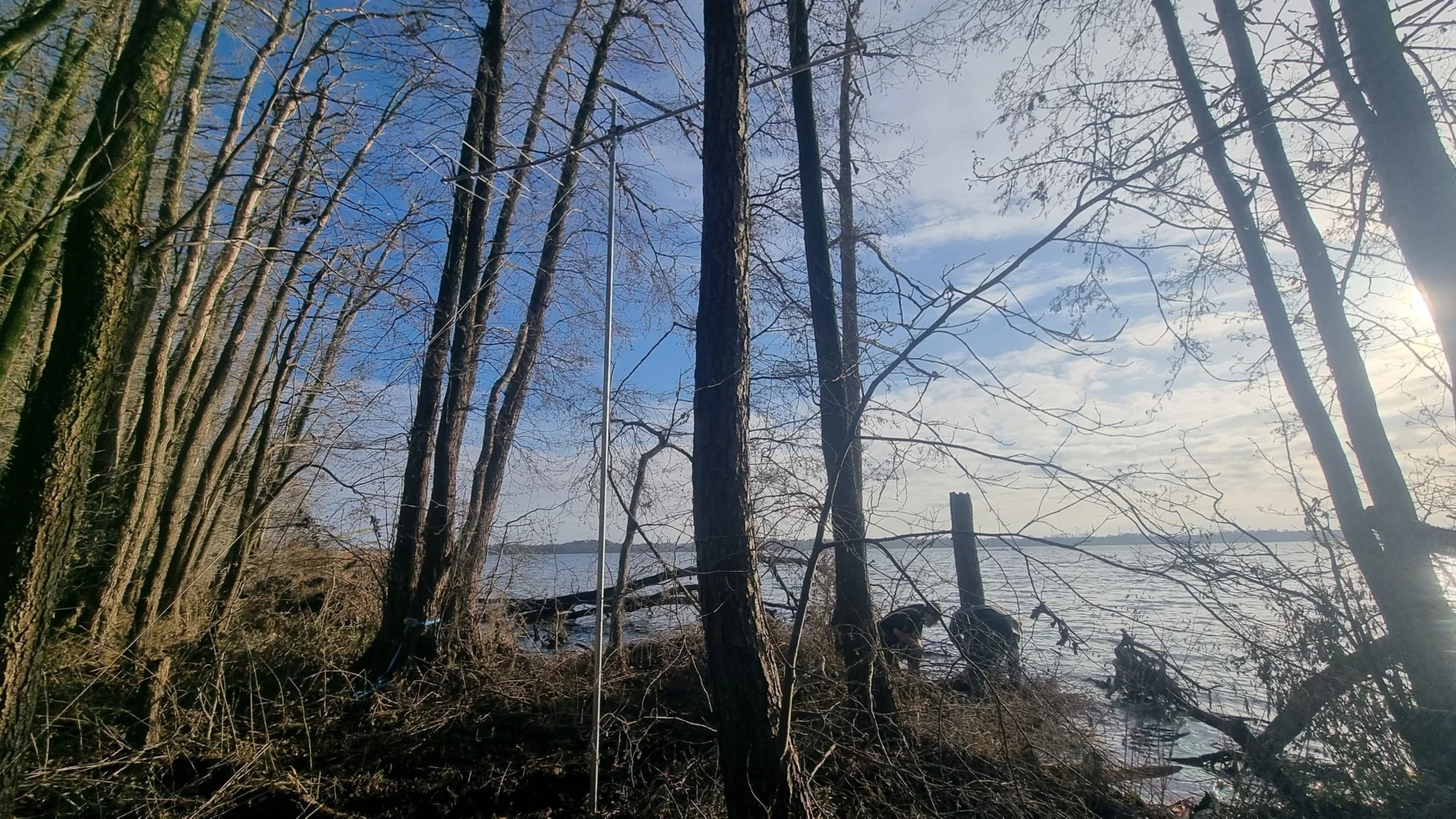
To detect potential predation events, two stationary radio antennas were installed at cormorant roosting sites at Lake Hemmelsdorf and Lake Dassow. These antennas can detect tagged cod that have been taken up by cormorants, thus allowing to determine the timing of predation events.
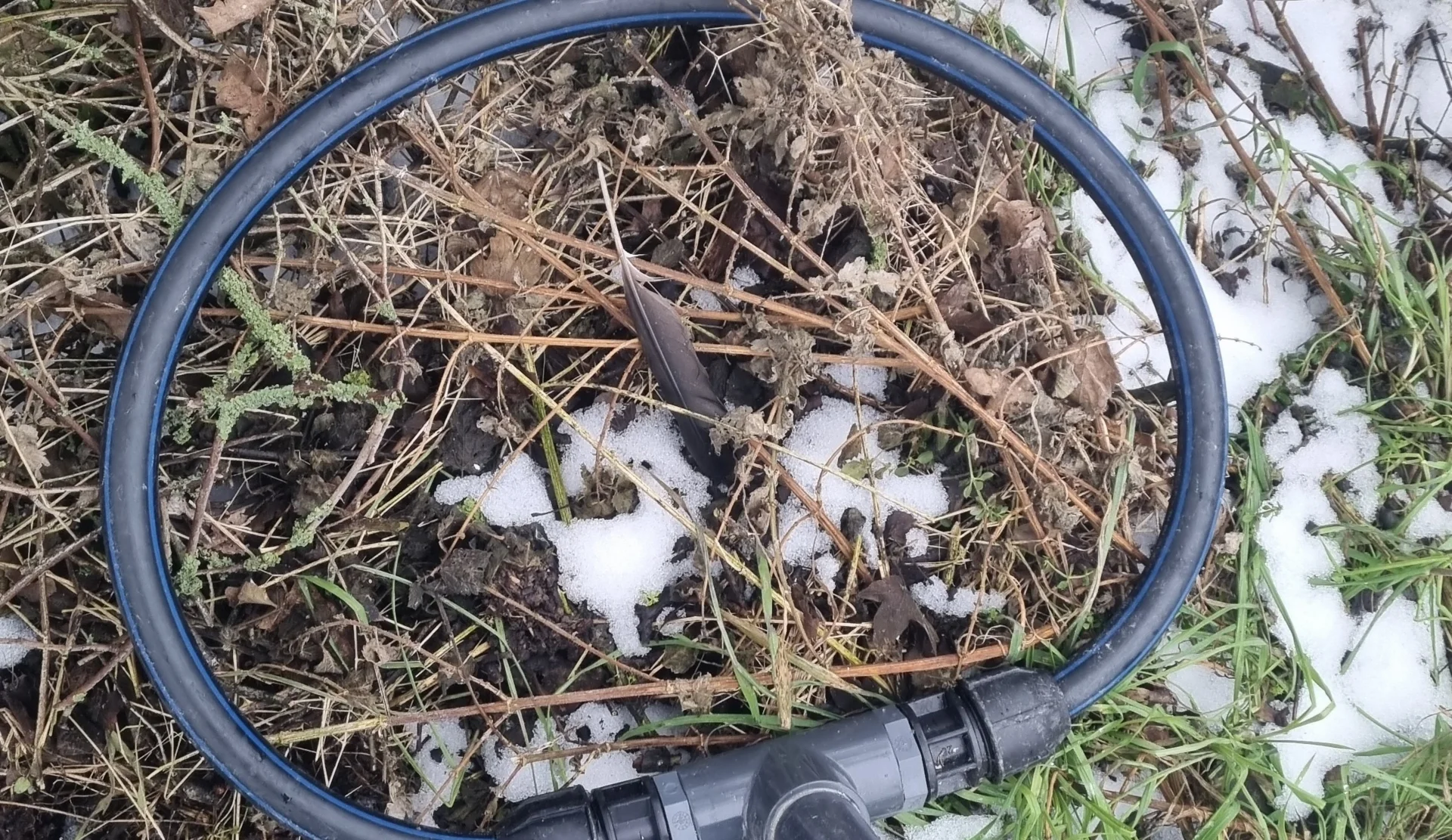
In addition, the roosting sites have been surveyed every 10 to 12 days along predefined transects using a mobile receiver to locate additional radio transmitters. During these surveys, cormorant pellets are also collected, and the number of cormorants present is recorded. The data collected provide important information on the predation of tagged cod and complement the results obtained from the stationary antenna systems.
Activities in the laboratory are continuing, as well. We received additional support this summer to help with these efforts. The collected cormorant pellets, along with other samples, are currently being systematically processed and analyzed. The results will provide further insights into the diet of cormorants and contribute to a comprehensive assessment of the impact of predation on the cod stock in the Bay of Lübeck.
Stay tuned!
Photos:
Top left: Fixed antenna at Hemmelsdorfer See, used to listen to radio transmitters within the cormorant colony (©IfB)
Top right: Active search for PIT (passive integrated transponder) transmitters at the cormorant roost in Dassow (©IfB)
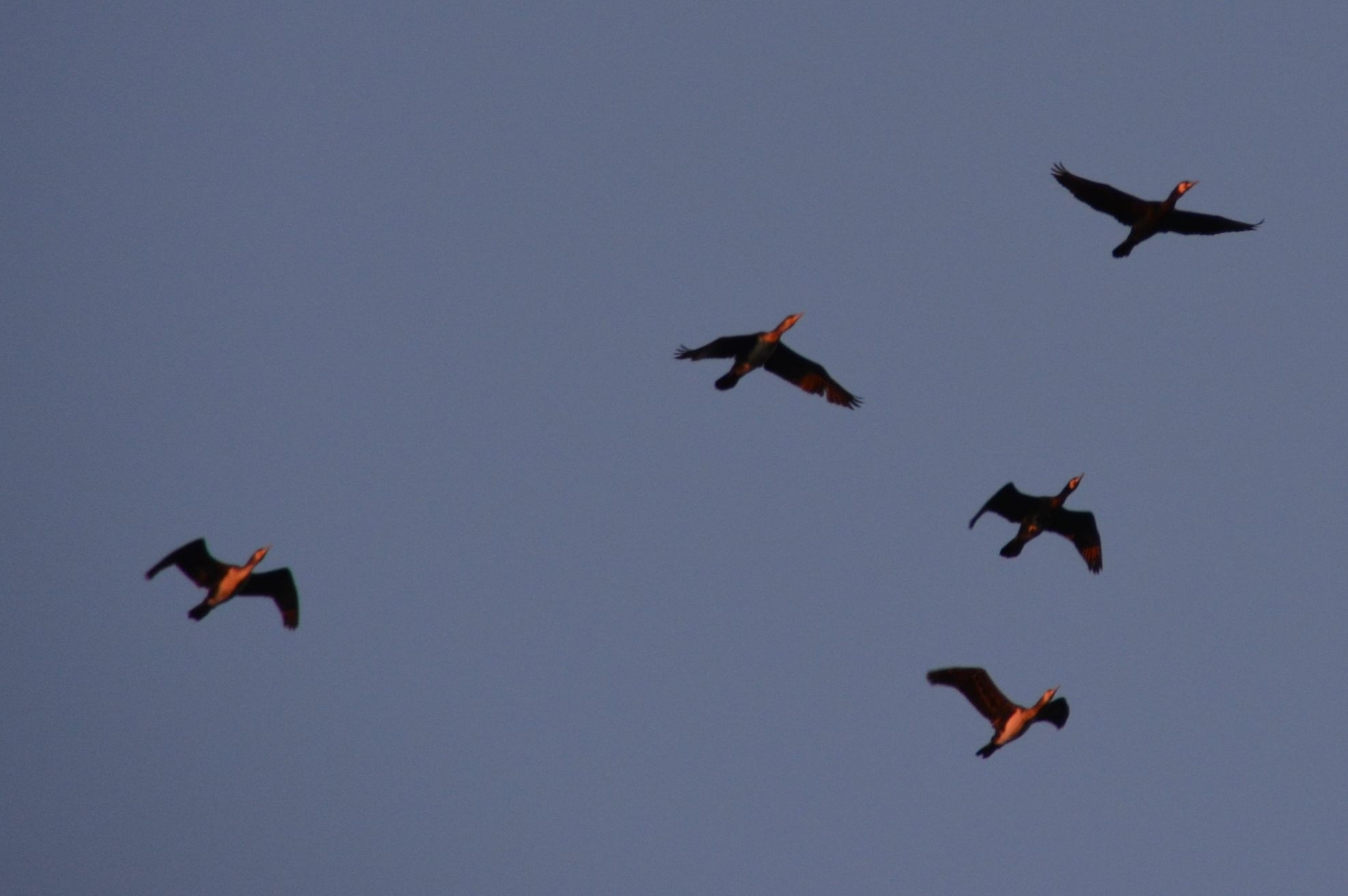
Bottom left: Cormorants at dusk on their way to their roost at Lake Dassow (©IfB)
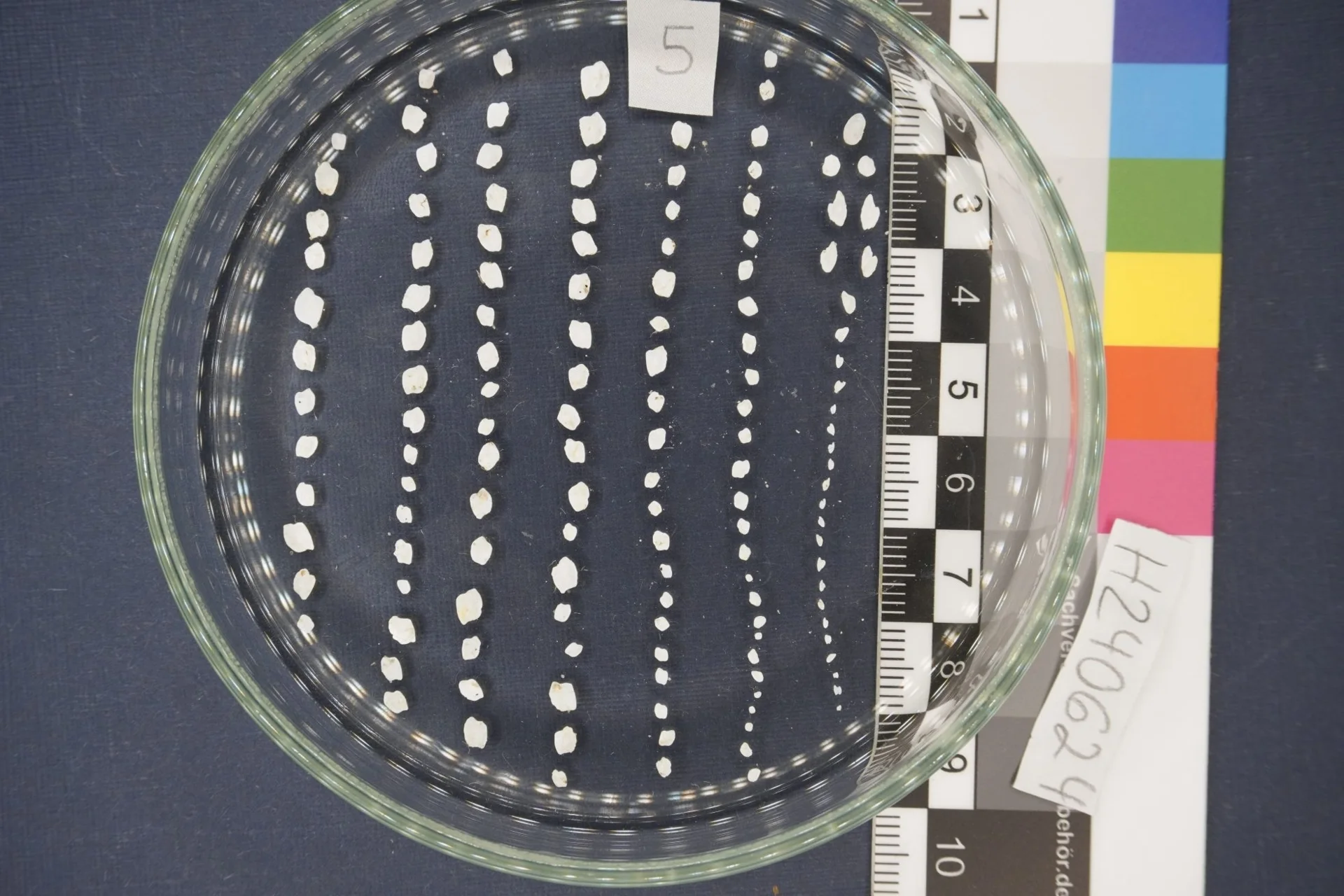
Bottom right: Otoliths isolated from pellets, being identified and measured (©IfB)
Summer time is lab time
While our ornithologists are out in the field collecting samples, things are a bit quieter indoors: in the lab, we are processing sample after sample. Freezers are filling up, pipettes are working overtime – all good signs of progress.
A more detailed update will follow once we catch our breath.

Processing cormorant pellets in the lab – many samples mean lots of data (Photo: © K. Mehrwald, IfB).

A look through the microscope – a flounder otolith extracted from a cormorant pellet (Photo: © K. Mehrwald, IfB).

Our latest sample delivery: two large styrofoam boxes filled with pellets for the freezer (Photo: © K. Mehrwald, IfB).
A small sign of life from the new year – the project is still running at full speed and the laboratory is also bustling with activity. Time is flying and spring is already in the air: the first cormorants are getting ready to occupy their breeding colonies.
In March, we had the opportunity to spend an exciting week at Aarhus University. Together with our Danish colleagues we were undertaking a look into the past, compiling data and studies from previous years to gain a better understanding of the impact of cormorants on the ecosystem.
A particular highlight of our week in Denmark was the collection of spitballs (regurgitated pellets; "Speiballen") with our team's ornithologist, Lars. It was a great opportunity to be out in the field and gain practical insights into data collection.
At the end of our stay, we were visited by Mr Werner Schwarz from the Ministry of Agriculture, Rural Areas, Europe and Consumer Protection of the State of Schleswig-Holstein. During a brief exchange, we were able to present the project and report on the current state of research.
We are looking forward to the coming months – with more exciting samples to arrive and lots of small steps forward to analyse them in the laboratory.

Searching for the regugitated pellets at a cormorant-colony's resting place on a small secluded island of Denmar, Musholm (photo © K. Mehrwald, IfB)

The spitballs are difficult to find and discern amongst the large pebbels of the resting place (photo © K. Mehrwald, IfB)

Cormorants are starting to settle in the trees of their resting place in Nysted, Denmark (photo © K. Mehrwald, IfB)
Here is another brief insight into the current developments of our project.
Despite the summer, there was no chance of a summer break for us! The cormorant counts and sample collections continued at full speed (photo 1). We have now collected more than 2,000 pellets – an impressive number that requires a lot of patience in the laboratory. So far, we have been able to carefully process 600 spitballs and are now in the process of analysing them (photos 2 and 4).
Concurrently, we have made good use of our time to move the project forward: we submitted applications, underwent further training in genetic techniques (photo 5), also in animal testing (photo 3), and we participated in an inspiring conference-type meeting for young scientists on current biodiversity research, which took place on the island of Vilm in Mecklenburg-Western Pomerania. Here we had the opportunity to successfully present our project goals and discuss them in depth.
Another focus of our work was put on the exchange with our project partners and ornithologists. Such meetings are essential for gaining new insights into the behaviour of cormorants and deepening our observational skills. The close exchange and co-operation with our colleagues from Denmark is particularly important for our project and brings us a big step closer to meaningful and wide-ranging results.

1. View of a cormorant resting place near the pier of the Island Fehmarn, through binoculars (photo © K. Mehrwald, IfB)

2. Identification of otoliths under the microscope (photo © K. Mehrwald, IfB)

3. We had to practice the suturing of wouds on banana peel and synthetic pig skin (photo © K. Mehrwald, IfB)

4. Measurement of cleaned and prepared otoliths (photo © K. Mehrwald, IfB)

5. The successful participants of the course "Molecular Analysis of Environmental Samples" at the University of Innsbruck, Austria (photo © B. Thalinger, with permission)
A lot has happened recently, and work in the laboratory is in full swing. Over the past two months, we have been able to process the first spitball samples in the laboratory. These were primarily samples collected in March at our sites in Denmark. We have developed a protocol for this purpose, which is also used by other working groups. This makes our work easily comparable with data produced and published in other countries.
The morphological identification of the species can take varying amounts of time, depending on how full the spitballs are.
The laboratory work to process and analyse the approximately 700 spitball pellets collected so far is in full swing. We hope that the initial results will give us a better overview of the different locations and we are in regular contact with our colleagues in Denmark.
The successful sample preparation means that our ornithologists and sample collectors are busy out in the field at our ten locations. They are not only collecting spitballs, but they are also counting cormorants. This gives us a little insight into the resting and breeding places of the cormorants. At some locations in Denmark, Schleswig-Holstein and Mecklenburg-Western Pomerania, the cormorants were still in the middle of their breeding season in June. It is very important for our ornithologists to disturb the animals as little as possible during this time to avoid agitation. Fortunately, we work with experts who have a lot of experience and have known the colonies for many years.
Our KoMoDo project also attracted a great deal of interest from young and old alike at the Science Day in Potsdam (PTDW 2024) and our open day here, at the institute in Sacrow in June2024. We were able to provide a little insight into our laboratory work and inspire young scientists. It is nice to see that many visitors are not afraid to get involved, even though it is a very smelly job.

A breeding colony on the Island of Fehmarn is entered once for attachment of identification rings to juvenile cormorants. Spitballs are collected at the same time (photo © B. Koop, with permission)

A visual impression of a spitball when found hanging in branches (or lying on the ground); the ornithologists collect them and freeze them for transport to and analysis at the institute's lab facilities in Potsdam (photo © U. Krumme, with permission).

K. Mehrwald, IfB, explains the microscopic identification of otoliths (ear bones) to an interested audience at the 2024 Science Day in Potsdam (photo Valentin Paster/Event Photographer, with permission)


Cod otoliths on a millimeter-grid (photo © K. Mehrwald, IfB)

A semi-digested eelpout, found in a spitball pellet (photo © K. Mehrwald, IfB)

Various semi-digested small fish-species found in spitball pellets (photo © K. Mehrwald, IfB)